






Barnet Council rules for bulky rubbish collection
Posted on 10/08/2026

Barnet Council rules for bulky rubbish collection: a practical guide for residents and landlords
If you have a sofa blocking the hallway, a mattress leaning in the porch, or an old wardrobe that will not fit through the stairwell without a fight, you are in the right place. Barnet Council rules for bulky rubbish collection can feel simple on the surface, but in practice there are a few details that catch people out. What counts as bulky waste? What can be collected? How do you book it properly? And is council collection always the best option?
This guide walks through the process in plain English. You will find the practical rules, the usual booking flow, common mistakes, and the situations where a private clearance service may be faster or simply easier. We will keep it local, realistic, and useful. No fluff. Just the stuff that helps you get the job done without a headache.
Why Barnet Council rules for bulky rubbish collection Matters
Bulky waste is one of those household tasks that seems minor until it is right in front of you. A broken bed frame, an old fridge, or a couple of damaged garden chairs can quickly become a trip hazard, a storage problem, and an eyesore. In Barnet, council rules matter because they shape what can be collected, how items must be presented, and whether you need to book in advance.
That sounds straightforward, but it affects more than convenience. Follow the rules properly and you reduce the chance of missed collections, extra charges, or items being left behind. Ignore them and you may end up with half a cleared garden and a very awkward second attempt. To be fair, nobody wants that on a rainy Tuesday morning.
There is also a wider environmental point. Council collection systems are designed to encourage safe disposal, better sorting, and proper handling of items that may contain metal, wood, textiles, or electrical components. If you are clearing a house after a move, downsizing, or a tenant turnover, getting the rules right can save time and avoid unnecessary back-and-forth.
For residents thinking beyond one-off waste, it is also worth understanding the full local context. Barnet is a busy borough with a mix of flats, terraces, family homes, and commercial premises. That means bulky rubbish shows up in very different forms. A landlord clearing a flat after a tenancy has different needs from a family replacing furniture after a renovation. If you are working through a bigger clearance, you may also find the wider service information on services overview helpful for seeing how bulky waste fits into larger removal jobs.
How Barnet Council rules for bulky rubbish collection Works
At a practical level, bulky rubbish collection usually means arranging for large household items to be removed by the council rather than leaving them out with normal refuse. The exact process can change over time, so the safest approach is always to check the current Barnet Council guidance before you book. Still, the general pattern is usually familiar: identify the items, check what is accepted, book a collection slot, and present the waste exactly as instructed.
Most councils separate bulky waste from day-to-day rubbish because the items are large, awkward, and often need special handling. A mattress is not the same as a bin bag. A wardrobe is not the same as a cereal box. You get the idea. Bulky waste often has to be lifted, carried through tight access, or split into separate pieces, and that is why the rules tend to be stricter than many people expect.
Common rules usually cover a few key points:
- Only certain household items are accepted.
- Some materials are excluded, especially hazardous or trade waste.
- You may need to book in advance rather than leaving items outside informally.
- Items often need to be placed in a specific location for collection.
- There may be a limit on the number of items or collections per booking.
In practice, that means preparation matters. If your item is still partially assembled, contains loose screws, or has mixed materials attached, the council may class it differently or refuse it. That is not the system being difficult for the sake of it; it is usually about safety, handling, and sorting. A bit of prep saves a lot of friction.
If your waste is part of a broader property clear-out, household move, or post-renovation tidy-up, a more flexible private service can sometimes be the simpler route. For larger or mixed loads, pages like house clearance Barnet and waste clearance Barnet are relevant because they cover scenarios that go beyond a single bulky item.
Key Benefits and Practical Advantages
The main benefit of understanding Barnet Council rules for bulky rubbish collection is control. You know what can be booked, how to prepare it, and what to expect. That alone avoids a surprising amount of stress.
Here are the practical upsides:
- Less clutter at home - bulky furniture, broken appliances, or old exercise equipment stop taking over the room.
- Better planning - you can sync the collection with a move, refurbishment, or end-of-tenancy clean.
- Fewer missed items - when you know the rule set, it is easier to package the booking properly.
- Safer access - clear pathways reduce trip risks and make collection easier for everyone involved.
- More responsible disposal - accepted items can be directed into the right recycling or disposal route.
There is a hidden benefit too: decision-making becomes simpler. Once you know the council route and the typical restrictions, you can judge whether a same-day private collection is worth paying for. That is especially useful for time-sensitive jobs, such as a property sale or a landlord preparing a flat for the next tenant. If timing matters, the article on same-day rubbish removal near High Barnet Station gives a good sense of how speed changes the equation.
It is also worth saying that not every bulky item is equal. A single sofa is one thing. Three wardrobes, a dismantled bed, and a garden shed full of mixed debris is another. Knowing the rules helps you decide whether the council collection is a neat fit or whether you need something broader.
Who This Is For and When It Makes Sense
This guidance is useful for a lot of people in Barnet, not just homeowners. If you are clearing one item after a furniture upgrade, it helps. If you are leaving a rental and need to remove leftover items before checkout, it helps even more. And if you manage a property portfolio, it becomes part of staying organised rather than reacting at the last minute.
Typical situations include:
- Replacing old furniture during a move or refurb.
- Clearing away a broken mattress, sofa, or wardrobe.
- Preparing a property for sale or let.
- Handling household clutter after a bereavement or long-term storage clear-out.
- Dealing with a one-off bulky item after a DIY or room redesign.
For landlords and sellers, bulky rubbish is often part of a bigger picture. One room still holding an old armchair or dismantled chest of drawers can make a place look less cared for than it really is. If you are thinking about presentation and turnaround, the related article on how to sell property in Barnet is a sensible companion read, because waste removal and property presentation often go hand in hand.
There are also seasonal patterns. After Christmas, after a move in spring, or during a summer garden reset, bulky waste volumes tend to rise. Funny how a spare weekend suddenly reveals the old table you have been ignoring for two years.
Step-by-Step Guidance
If you want the smoothest possible outcome, work through the process in a methodical way. It does not need to be complicated.
- Identify the items clearly. Make a list of each bulky item, including size, material, and whether it is still intact.
- Check what is accepted. Make sure your items are eligible for council bulky waste collection. Mixed, hazardous, or trade-type waste can fall outside the service.
- Separate out anything prohibited. Keep paint tins, chemicals, gas cylinders, and similar items away from the booking unless the council explicitly allows them. They usually need special handling.
- Measure access if needed. If the item has to come down narrow stairs or through a tight hallway, factor that in before collection day.
- Book in advance. Council services often require a scheduled slot rather than same-day pick-up.
- Follow placement instructions. Put the items exactly where the council asks. Do not assume the crew will enter the property.
- Keep pathways clear. On the day, make sure access is safe and simple. A clear route saves a lot of time.
- Check what has been taken. If something is left behind, find out why before you try again. Sometimes it is a restriction issue rather than a mistake.
A small real-world example: a resident clears a spare room and finds an old sofa bed, a broken desk, and a bulky office chair. It is easy to think of them as "just furniture", but collection teams usually need item-by-item clarity. Listing them properly can be the difference between a tidy pickup and a return visit.
If your situation is part of a broader domestic clearance, you may prefer a service designed for bigger loads. The page on rubbish removal Barnet is useful when you need a wider solution rather than a single council collection.
Expert Tips for Better Results
Once you know the basic rules, a few small habits make the whole process easier. These are the little things people often miss.
- Break items down where safe. Flat-pack furniture, bed frames, and shelving can often be dismantled to make handling simpler.
- Keep accessories together. Put bolts, fittings, and removable parts in a labelled bag if the item is being collected as one unit.
- Photograph awkward items before booking. It helps you judge access and remember what you asked to be taken. Very handy when memory gets fuzzy after a long week.
- Do not leave collection until the last minute. Council slots can be limited, especially around busy periods.
- Be realistic about scale. If your "one sofa" has become a sofa, two armchairs, a broken cabinet, and a pile of splintered timber, you probably need a bigger plan.
If you are deciding between council collection and a private service, think about your own time as part of the cost. Waiting for a collection day, moving items to the curb, then dealing with the next thing on your list can be a lot. Sometimes the cheapest option is not the most practical one.
For those comparing service types across a wider clearance, the pages on builders waste disposal Barnet and garden waste removal Barnet can also be useful if your bulky rubbish is mixed with renovation debris or outdoor waste. Different waste streams need different handling, and that distinction matters more than people realise.
Common Mistakes to Avoid
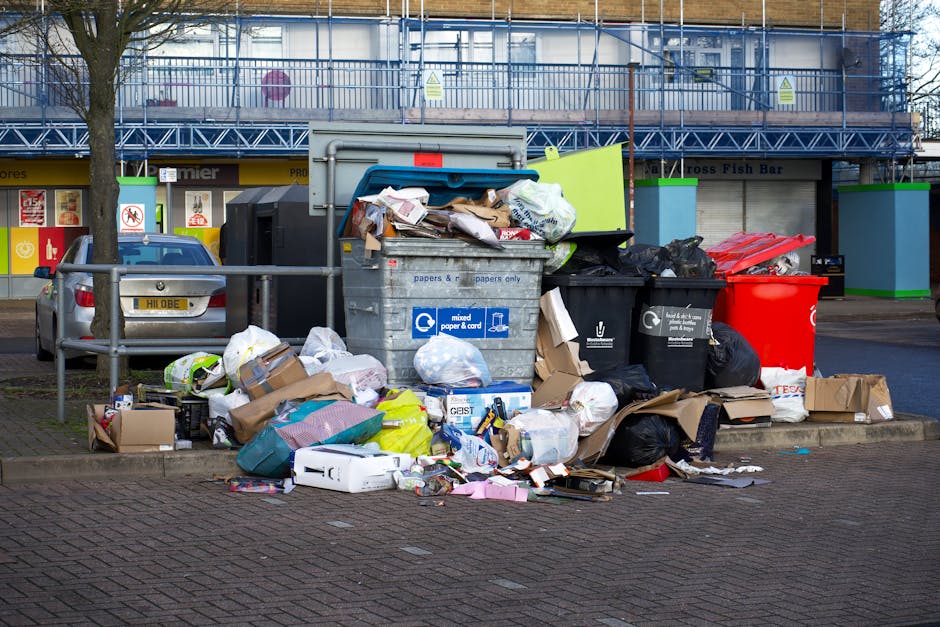
Most problems with bulky waste collections are not dramatic. They are just small mistakes that snowball. The good news? They are easy to avoid once you know what to look for.
- Putting out unbooked items. This is the classic one. If the council expects a booking, leaving things outside early can lead to them being ignored or treated as fly-tipping.
- Mixing prohibited materials in with accepted items. A single wrong item can complicate the entire load.
- Assuming "bulky" means anything large. Not quite. Some items fall outside the service completely.
- Not checking access. A collection can fail if the crew cannot safely reach the items.
- Leaving items assembled when they should be dismantled. This is especially common with wardrobes, beds, and office furniture.
- Forgetting about hidden parts. Drawers, mattress toppers, or side panels sometimes need separate treatment.
Another mistake is ignoring the practical detail of timing. If you are preparing a property for a buyer or tenant, a delayed collection can throw off everything else. That is why related planning articles like Barnet home buying investment strategies matter more than they first seem; waste clearance and property decisions are often connected in real life.
One slightly boring but important point: do not guess. If you are not sure whether an item qualifies, check first. Saves a lot of bother. And yes, that includes the mysterious old thing in the garage that nobody can quite identify anymore.
Tools, Resources and Recommendations
You do not need fancy tools for bulky rubbish collection, but a few simple items help you prepare properly and avoid damage:
- Measuring tape for doorways, stair turns, and item dimensions.
- Strong gloves for safe handling of rough edges, splinters, or metal frames.
- Basic screwdriver or Allen keys for dismantling furniture.
- Sticky labels or tape to mark parts that belong together.
- Phone camera to record what was booked and what was left out.
On the planning side, it helps to think in layers. First, what exactly needs removing? Second, is it a council-eligible bulky item or part of a broader clearance? Third, how urgent is it? And fourth, what is the most sensible route for your space, budget, and schedule?
For anyone comparing cost and convenience, the pricing page at pricing and quotes is a useful reference point alongside the council route, because it helps you weigh up whether to wait or move faster. If you are very focused on how payments are handled or want to think through service trust factors, payment and security and insurance and safety are also sensible reads.
For readers who care about disposal responsibility, the recycling and sustainability page is a good companion. Bulky items are often a mix of recyclable and non-recyclable parts, so separation and processing both matter.
Law, Compliance, Standards, or Best Practice
For householders, bulky rubbish collection is less about legal theory and more about following the correct local process. Still, there are compliance points worth keeping in mind.
First, do not treat bulky waste like general refuse. Large items left on the pavement without permission can create obstruction issues and may be treated as improperly disposed waste. That can lead to problems you really do not want, especially in shared streets, estates, or busy residential areas.
Second, separate household waste from trade waste. If the items came from a business, a renovation contractor, or a workplace rather than a private home, the rules may be different. Office desks, filing cabinets, and commercial fixtures can fall into a different category, which is why pages such as office clearance Barnet are relevant for business or mixed-use situations.
Third, handle hazardous items properly. Items containing chemicals, fuels, gas, or sharp electrical components should be treated with caution. If you are unsure, stop and check rather than forcing them into a general bulky collection. That is the kind of shortcut that backfires.
Best practice is simple: keep loads honest, keep them separated, and keep the booking accurate. If you want to understand the wider standards a reputable removal business should follow, the company pages on about us and terms and conditions can also help set expectations around service scope and customer responsibility.
Options, Methods, or Comparison Table
There are usually three practical ways to deal with bulky rubbish in Barnet: council collection, a private rubbish removal service, or self-transport to a waste facility where allowed. The right choice depends on time, quantity, access, and what the items are made of.
| Option | Best for | Pros | Watch-outs |
|---|---|---|---|
| Council bulky collection | Single items or small, planned clear-outs | Simple for accepted household items; familiar process | Booking lead time, item restrictions, placement rules |
| Private rubbish removal | Urgent, mixed, or larger clearances | Flexible timing, more hands-on help, better for awkward access | Costs can vary; compare carefully |
| Self-transport | People with transport, time, and confidence handling waste safely | Direct control over the load | Vehicle access, lifting, sorting, and disposal rules can be inconvenient |
In real life, the best option often comes down to the mess in front of you. A lone mattress? Council collection can make perfect sense. A flat full of old furniture after a tenant move-out? Private clearance may be the less stressful route. There is no prize for making a simple job hard.
When speed matters, especially around a sale, move, or fresh tenancy, it is worth looking at flexible options like avoiding hidden rubbish removal charges in Barnet before committing. A low headline price is only helpful if the rest of the experience is clean and transparent.
Case Study or Real-World Example
Imagine a family in Barnet getting ready to redecorate a spare bedroom. They have an old mattress, a wardrobe with a loose door, and a desk that has seen better days. At first, they assume they can simply leave everything outside. Then they realise the council expects the items booked correctly and set out according to instructions. The wardrobe also needs dismantling, and the desk is too bulky to handle in one piece.
They sort the items into categories, remove the loose contents, take a quick measurement of the stairwell, and decide the mattress is suitable for a bulky collection while the bigger mixed load may need a broader clearance. That change in approach saves them one failed attempt and a lot of frustration.
What made the difference was not speed, oddly enough. It was preparation. They knew what each item was, what had to be broken down, and what needed a more flexible service. That is the real lesson with Barnet Council rules for bulky rubbish collection: the process is manageable, but only if you work with it rather than against it.
In another common scenario, a landlord clearing a flat after an end of tenancy finds a couch, a broken dining chair, and a pile of miscellaneous household clutter. The council route may cover part of it, but a wider solution may be more efficient when time is tight. If the property also needs resetting for the market, the local context in what it is like living in Barnet: a local's view offers some useful background on the kind of homes and access issues people often deal with here.
Practical Checklist
Use this checklist before you book or set anything out:
- Have I confirmed the items are accepted as bulky waste?
- Have I separated out any hazardous or prohibited materials?
- Do I know exactly how many items are being collected?
- Have I measured awkward items and access routes?
- Have I dismantled anything that should be broken down first?
- Is the collection booked for the correct date and time?
- Do I know where the items must be placed?
- Is the route to the collection point clear and safe?
- Have I removed personal belongings from furniture and cupboards?
- Do I have a backup plan if the council service does not fit the load?
A quick checklist like this saves hassle. It also reduces the chance of standing in the front garden at 8am wondering why the collection team has not taken the item you thought was obvious. Happens more often than people admit.
Get a free quote today and see how much you can save.
Conclusion
Barnet Council rules for bulky rubbish collection are not there to make life awkward. They exist to keep collections safe, manageable, and fair for everyone using the service. Once you understand what counts as bulky waste, how to book it, and what preparation is expected, the whole process becomes much easier.
The main thing is to match the job to the right method. A single bulky item may fit the council route perfectly. A bigger, mixed, or time-sensitive clearance may be better handled another way. Either way, clarity beats guesswork every time.
If you take one thing from this guide, let it be this: plan the load, check the rules, and keep the access simple. That small bit of care can turn a frustrating task into a neat little win. And honestly, there is something satisfying about seeing a room cleared properly. Fresh air, clear space, one less thing hanging over you. Nice, isn't it?



 Tipper Van - Commercial Waste Removal and Rubbish Removal Prices in Barnet, EN5
 Luton Van - Commercial Waste Removal and Rubbish Removal Prices in Barnet, EN5